 0
0
 0
0
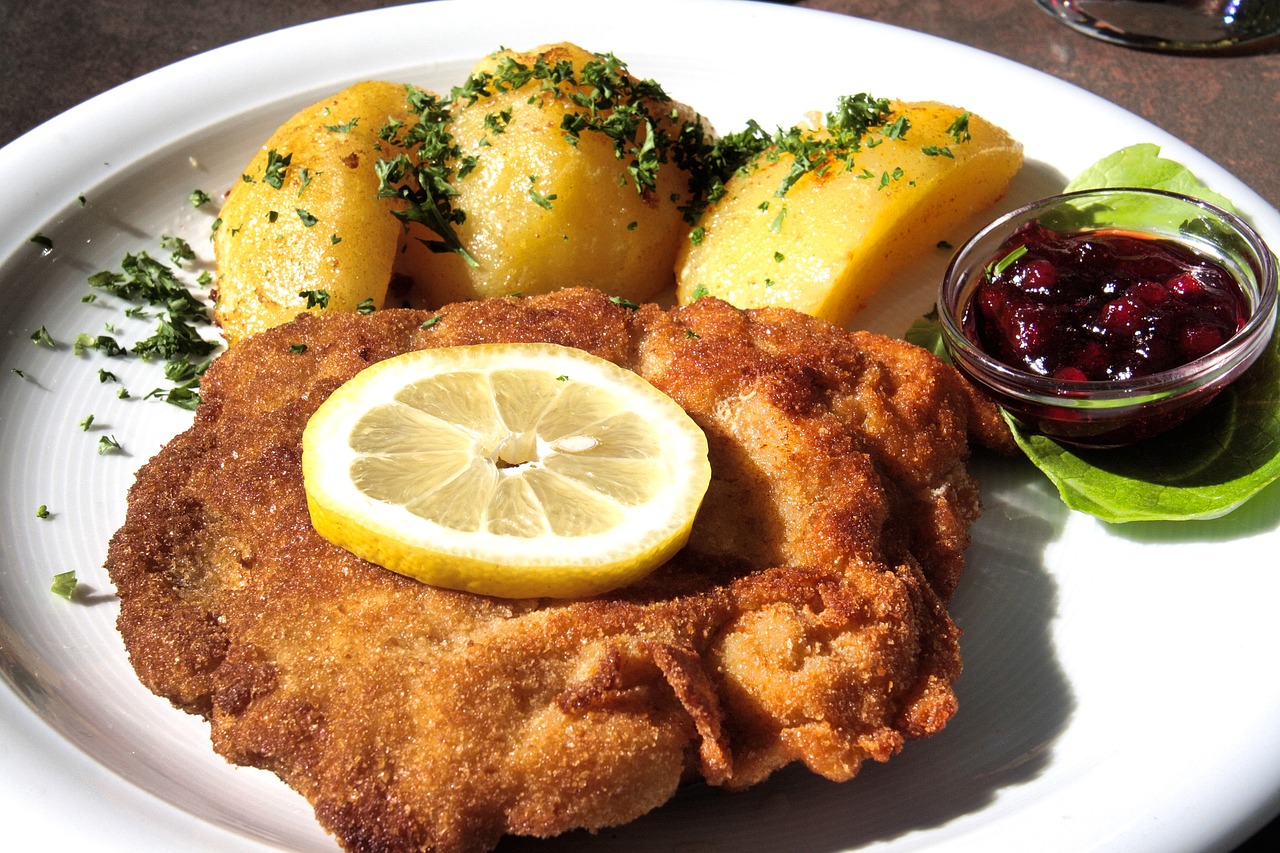
The ideal Wiener Schnitzel is golden-brown, crisp and served with a lemon wedge on the side. For many people, squeezing lemon over the schnitzel before the first bite is simply part of the ritual. But there is a scientific reason why the classic combination works so well.
A Flavor Reaction in the Crust
As the schnitzel fries, the breading undergoes the Maillard reaction. At temperatures of roughly 140°C (284°F) and above, sugars and proteins react with one another, producing hundreds of new flavor compounds. The result is the characteristic golden color and rich, roasted aroma of the crispy coating.
At the same time, the crunchy breadcrumbs absorb a considerable amount of frying fat. Fat is an excellent carrier of flavor, but it can also leave a thin film on the tongue. This can gradually make other flavors seem less pronounced.
What the Lemon Does
This is where the lemon comes in. When acidic lemon juice hits the crispy coating, it triggers a small chain reaction in the mouth. The acidity stimulates saliva production, helping distribute the fat more effectively across the mouth and reducing the heavy sensation it can leave behind.
The effect goes beyond simply cutting through the richness. The acidity also helps the aromas from the breading and meat become more noticeable, making each bite taste fresher, brighter and more intense.
Nutrition scientist Uwe Knop told Chip.de that lemon can make schnitzel taste fresher, more lively and more aromatic right through to the final bite.
A Tradition With a Practical Side
There may also be a historical explanation for the tradition. Before refrigerators became commonplace, lemon juice could help mask slight stale or aging notes in meat and frying fat. What may once have been a practical culinary trick eventually became an essential part of the Wiener Schnitzel experience.
So the lemon wedge beside a schnitzel is more than decoration. Its acidity balances the richness of the fried crust, refreshes the palate and helps bring out the dish’s aromas. In other words, that final squeeze of lemon is not just tradition—it is a small piece of food chemistry that makes the whole dish taste better.
- Hector Pascua/picture: pixabay.com



This post has already been read 11807 times!